John Jenrette · Raleigh, North Carolina
I photograph the person,
not a practiced pose.
I am an editorial-glamour photographer with decades of experience photographing women, models, performers, and personalities.
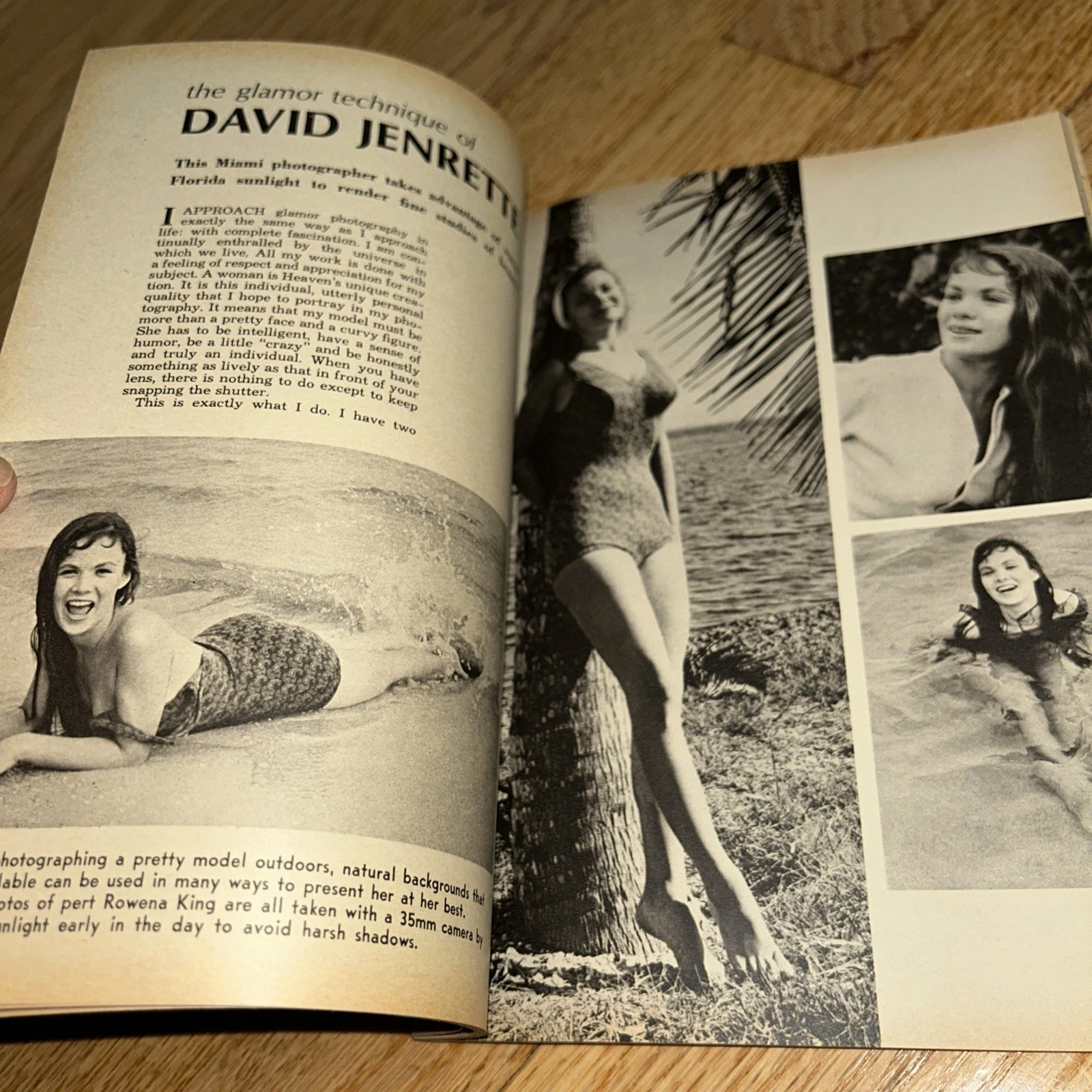
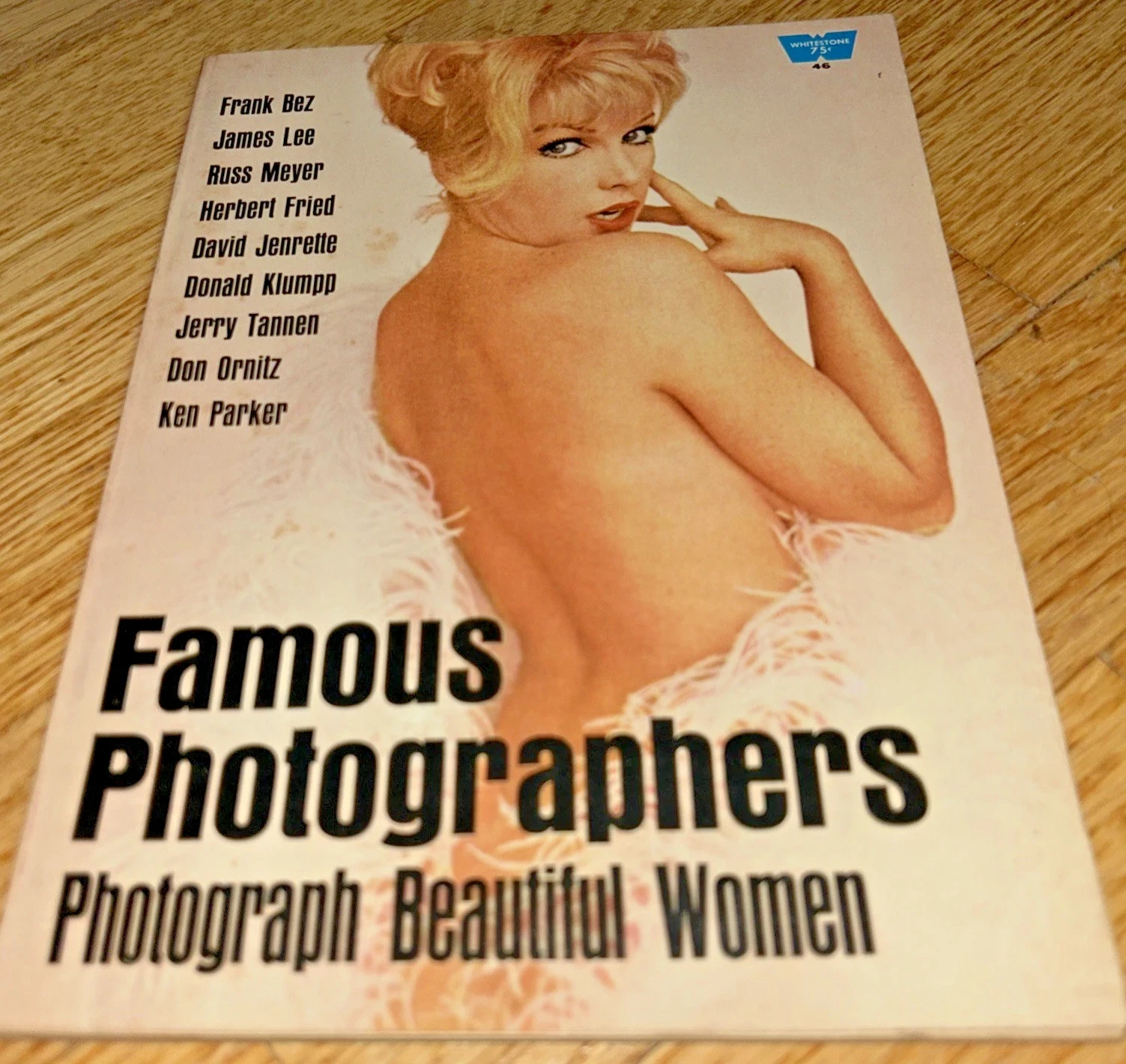
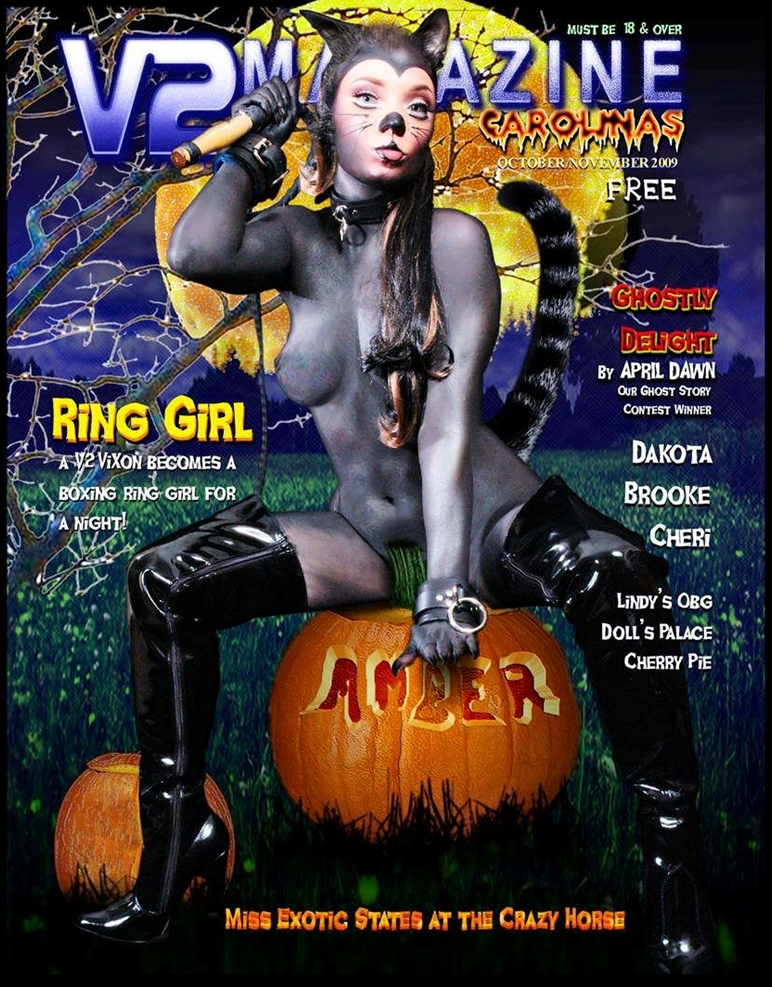
Photography has been part of my life from the beginning. My grandfather and father were professional photographers. My grandfather’s photographs are in the Smithsonian, and my father’s appeared in many men’s and entertainment magazines during the 1950s and 1960s. I later created and published several print magazines. That background shaped the way I work today: every shoot should produce polished images, but it should also reveal something genuine about the person in them.
My sessions are collaborative and unhurried. We talk before we begin, develop ideas together, review photographs as we go, and allow the strongest direction to emerge naturally. Models are encouraged to bring their own personality, wardrobe, and ideas to the shoot. Some of the best photographs happen between the planned ones.
I work from a private Raleigh studio and on location, creating everything from elegant portraits and editorial glamour to elaborate themed productions and behind-the-scenes content. Sets, lighting, wardrobe, props, and locations are chosen to suit the individual rather than force everyone into the same visual formula.
The goal is simple: photographs that are beautiful, expressive, and unmistakably yours.
Arrange a shoot
Three generations
Photography runs in the family.
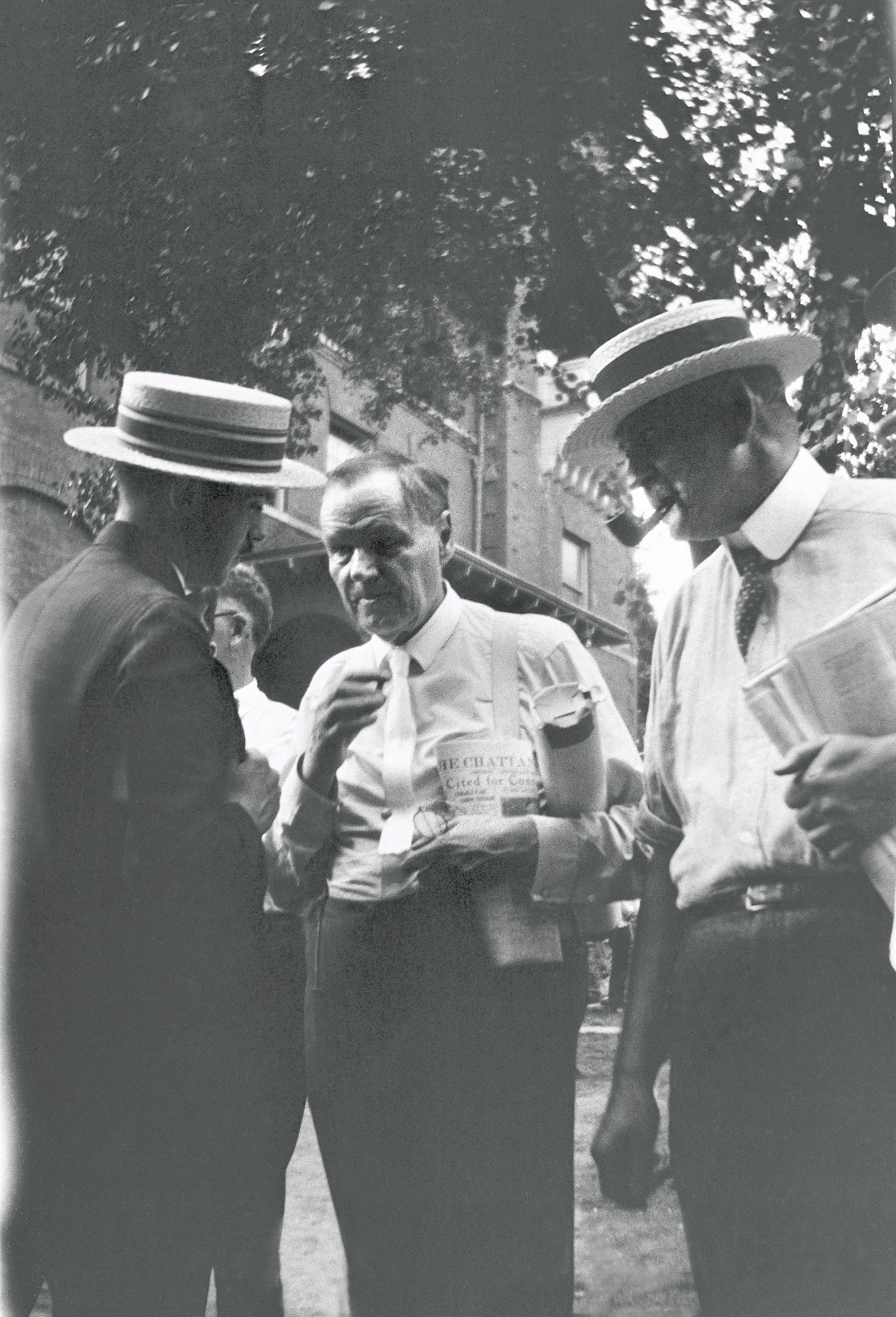
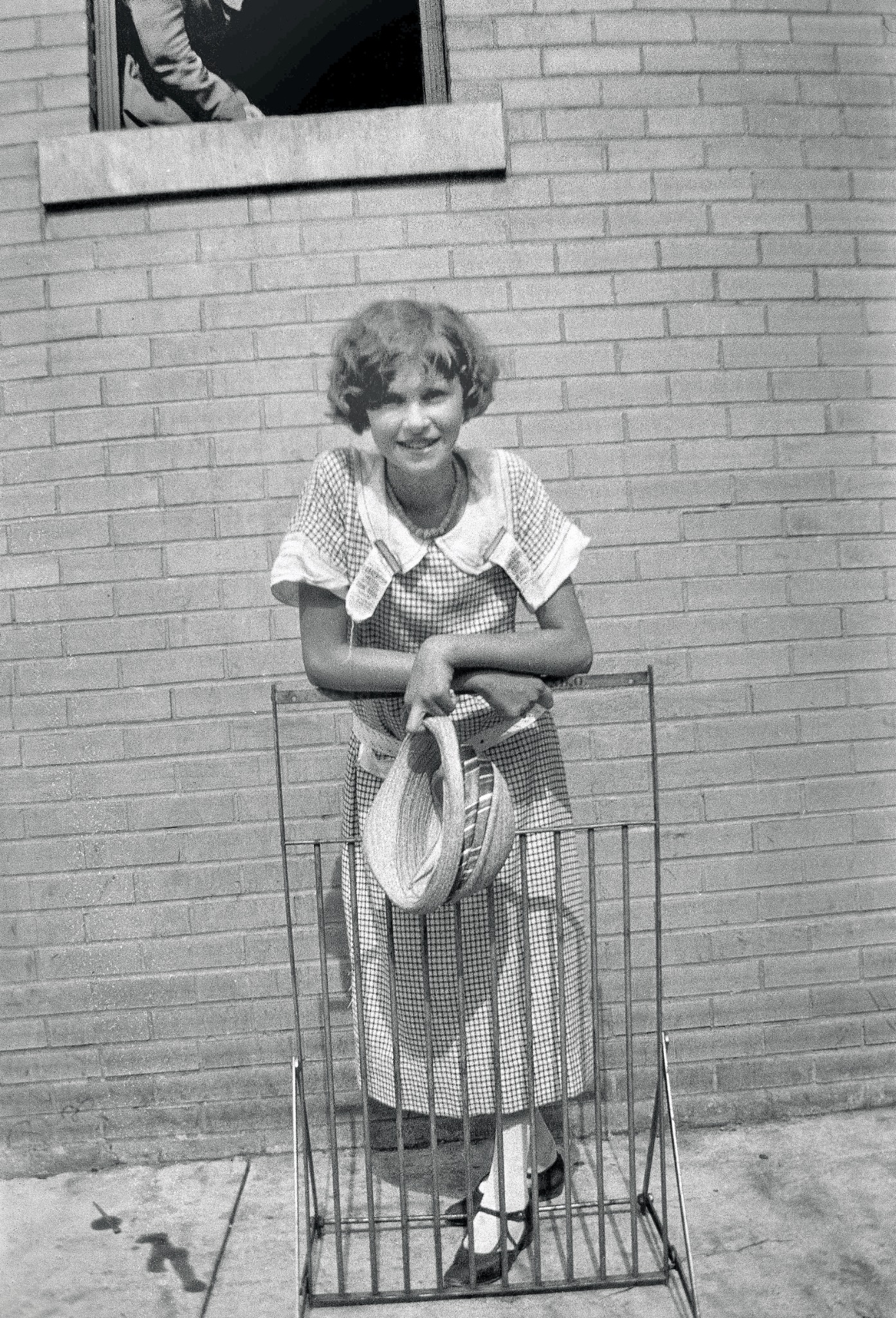
The 1925 Scopes “Monkey” Trial began when Tennessee prosecuted high-school teacher John Scopes for teaching evolution. It became a national showdown over science, religion, education, and what could be taught in public schools—and the first American trial broadcast nationwide by radio. Clarence Darrow, one of the country’s most famous defense attorneys, represented Scopes and challenged the attempt to place Biblical doctrine above science in the classroom. My grandfather’s photographs are important because they preserve the human side of that historic event: Darrow speaking informally with people in the street and a young woman watching history unfold. These two images, along with others he took of the event, are now preserved by the Smithsonian and provide a rare personal view of one of the twentieth century’s most consequential American trials.